
Packing Cubes for Cabin Bags: Fit More In Without the Struggle
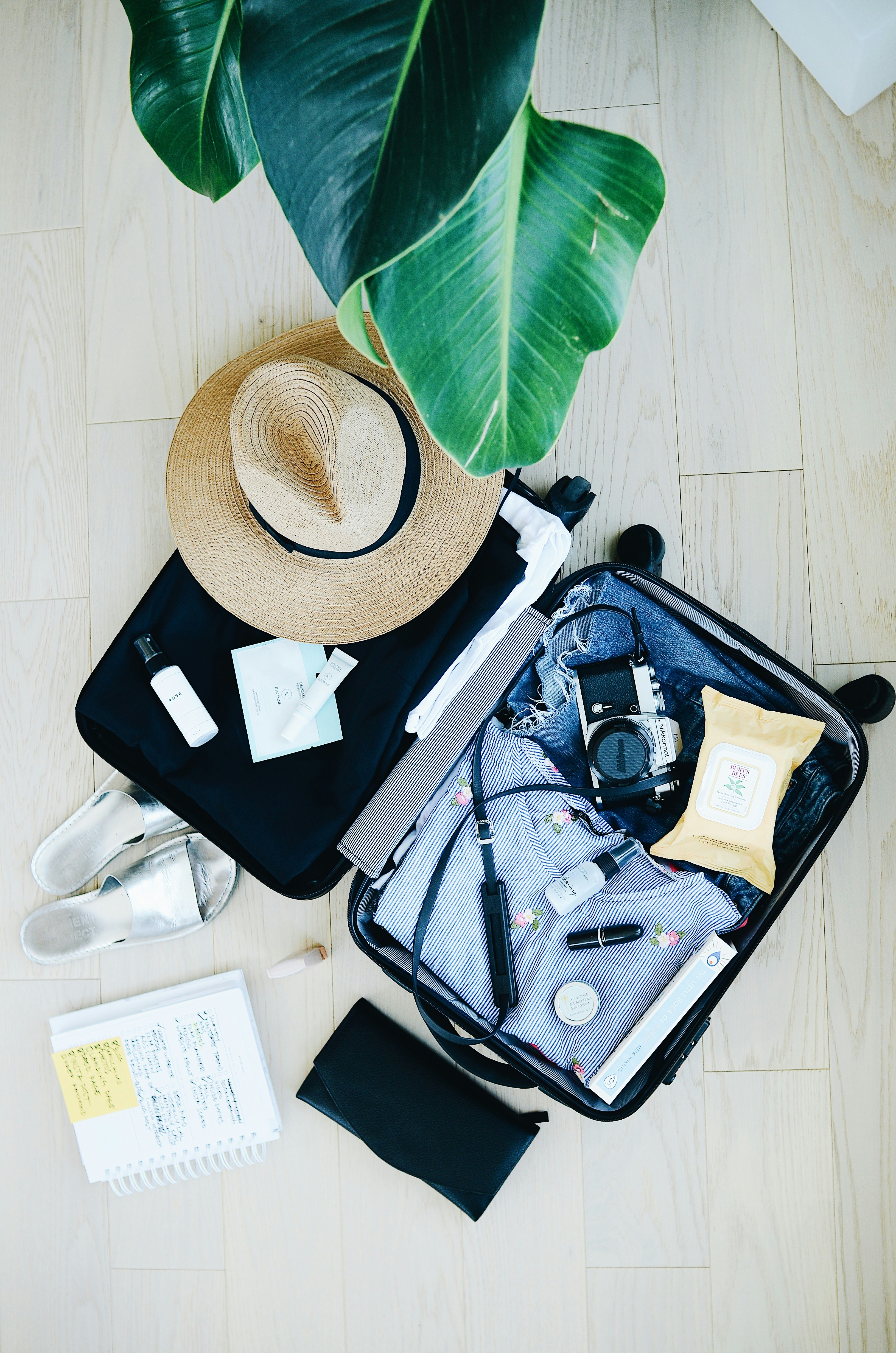
Why Your Cabin Bag Always Feels Too Small (And How Packing Cubes Fix That)
We've all been there. You're packing for a long weekend in Barcelona, and somehow three days' worth of clothes looks like a fortnight's wardrobe. You sit on your cabin bag, wrestle with the zip, and pray it doesn't burst open at the boarding gate. Sound familiar?
The truth is, it's not about how much you're bringing — it's about how you're packing it. Packing cubes for cabin bags have quietly become the travel industry's worst-kept secret, and for good reason. They genuinely help you make far better use of the same space, all whilst keeping everything organised and wrinkle-free.
If you're flying with Ryanair, easyJet, Wizz Air or any carrier with strict cabin bag dimensions, mastering the packing cube method isn't just clever — it's essential.
What Exactly Are Packing Cubes?
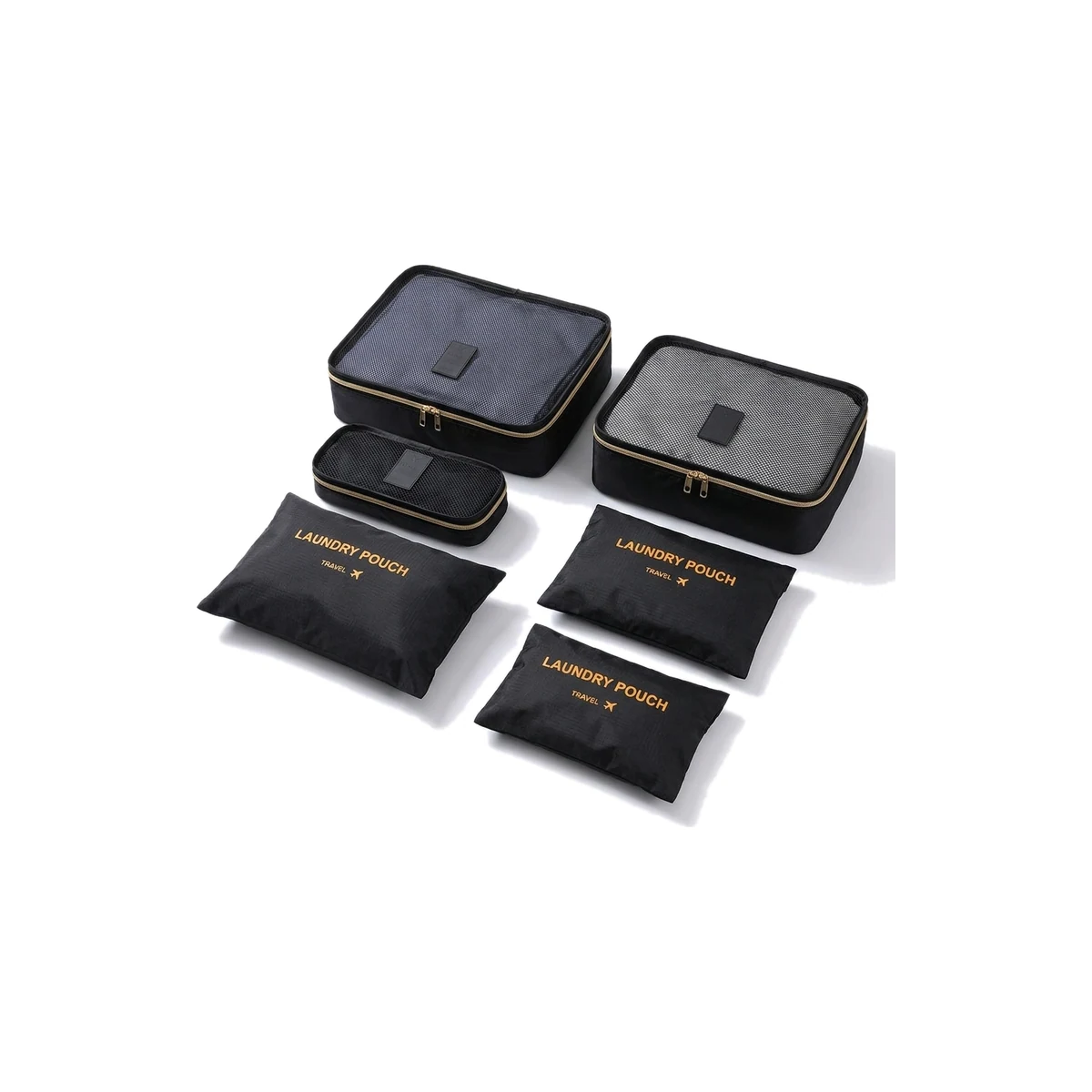
Packing cubes are lightweight, zippered fabric containers (usually rectangular) that compartmentalise your belongings inside your luggage. Think of them as drawers for your cabin bag — each cube holds a different category of items, from tops and trousers to underwear and toiletries.
They come in various sizes, typically:
- Small cubes: Perfect for underwear, socks, chargers
- Medium cubes: Ideal for t-shirts, shorts, lightweight jumpers
- Large cubes: Best for trousers, dresses, bulkier items
- Slim cubes: Brilliant for documents, tablets, flat accessories
Most travellers use a mix of three to four cubes for a standard cabin bag or underseat bag.
The Science Behind Fitting More In
Compression Without the Vacuum Bags
Many packing cubes feature compression zips that squeeze air out of your clothing. Unlike vacuum bags (which require a hoover and aren't practical mid-trip), compression cubes simply use a double-zip system. You pack normally, zip the main compartment, then zip the compression panel to flatten everything down.
This method compresses clothing volume, meaning a week's worth of clothes can genuinely fit into a Ryanair-compliant 40x30x20cm bag.
Strategic Space Utilisation
Loose clothing creates air pockets and uneven distribution. Packing cubes eliminate wasted space by:
- Creating uniform shapes that stack efficiently
- Filling awkward corners and gaps
- Preventing clothes from shifting during transit
- Allowing vertical packing (you can see everything at a glance)
Think of it like Tetris for your luggage — cubes are the perfect blocks.
How to Use Packing Cubes for Maximum Cabin Bag Space
Step 1: Roll, Don't Fold
Before placing items in cubes, roll your clothes tightly. Rolling reduces wrinkles and creates compact cylinders that fit together beautifully. T-shirts, jeans, dresses — roll them all.
Exception: Structured items like blazers or dress shirts may need flat folding, but these are rare in cabin-only travel.
Step 2: Categorise Intelligently
Don't just randomly fill cubes. Create a system:
- Cube 1: Tops (t-shirts, blouses, lightweight jumpers)
- Cube 2: Bottoms (jeans, trousers, shorts, skirts)
- Cube 3: Underwear, socks, gym kit
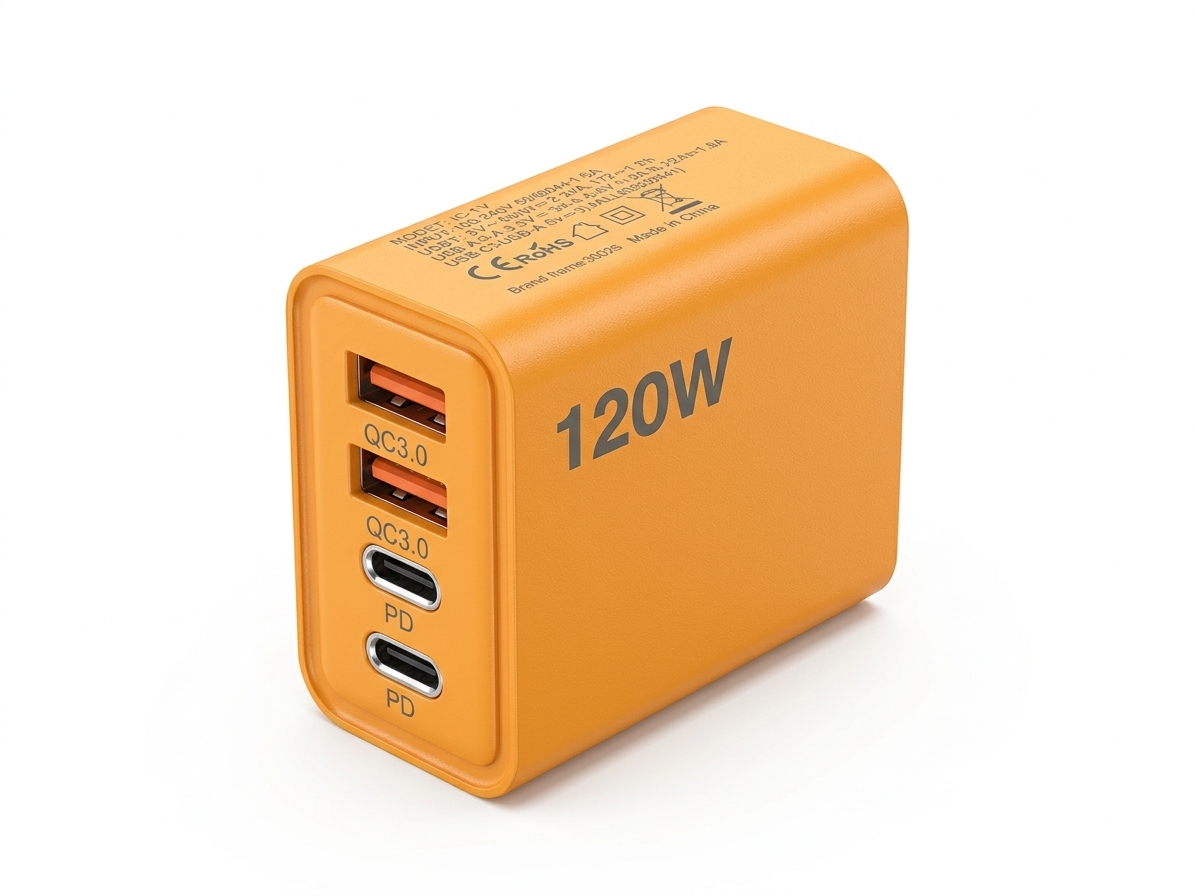
- Cube 4: Tech accessories, chargers, adaptors
This organisation means you're not emptying your entire bag to find one item at your Airbnb.
Step 3: Use Every Millimetre
Pack cubes first, then fill gaps:
- Shoes go at the bottom (stuff socks inside them)
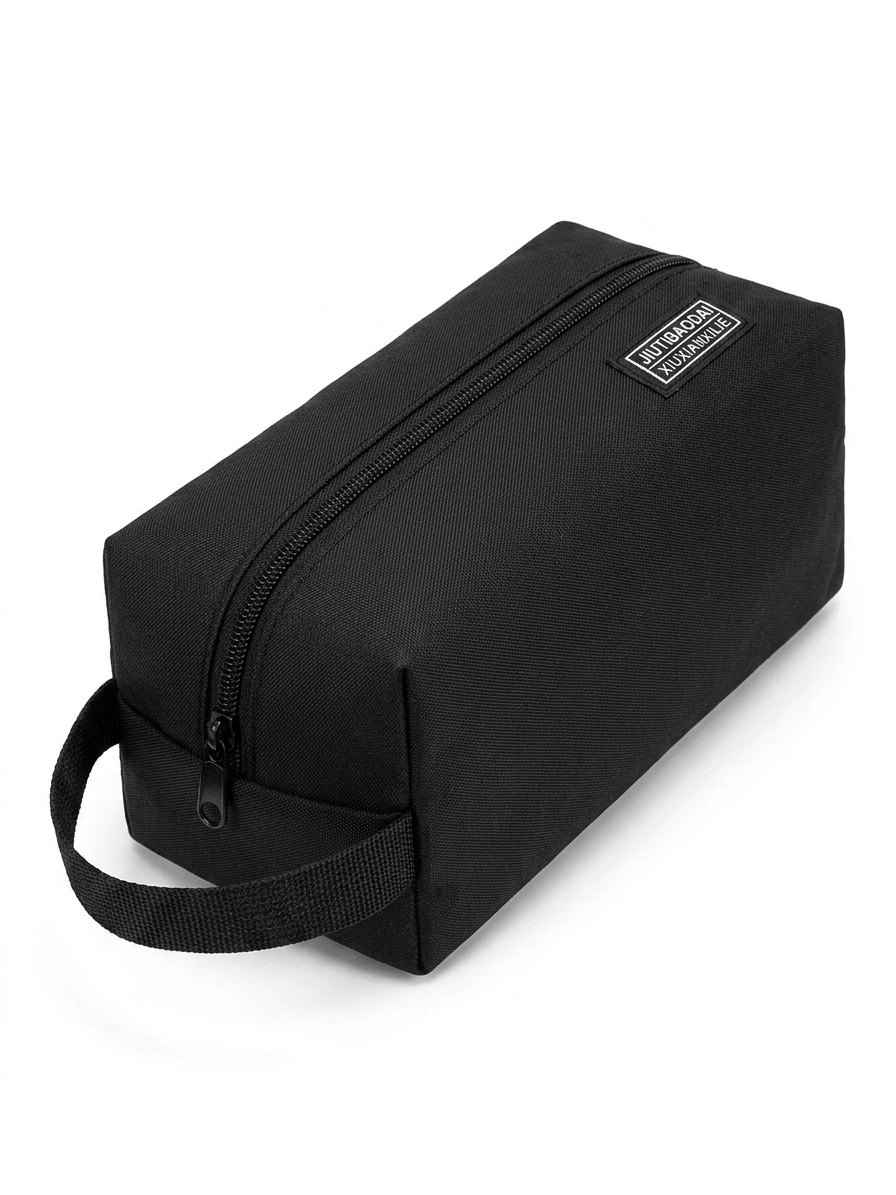
- Toiletry bags fit in side pockets
- Belts line the perimeter
- Sunglasses cases slide into remaining gaps
If you're using an underseat bag, packing cubes are particularly brilliant because they help you maximise that limited 40x30x20cm or 45x36x20cm space without exceeding dimensions.
Step 4: Compress Strategically
Not everything needs maximum compression. Delicate fabrics or items you'll need immediately (like a jacket for the plane) can go in non-compression cubes or outside pockets. Save aggressive compression for bulkier items you won't access until arrival.
Packing Cubes for Different Airlines
Ryanair (40x30x20cm)
Ryanair's free personal item allowance is notoriously compact. Packing cubes are essential here. Use three small-to-medium cubes maximum, and prioritise ultra-thin compression cubes. Every centimetre counts, and cubes prevent your bag from bulging beyond the size checker.
easyJet (45x36x20cm)
Slightly more generous, easyJet's underseat dimensions allow for a mix of medium and large cubes. You can comfortably fit four cubes plus shoes and toiletries. The extra width (36cm vs Ryanair's 20cm) is a game-changer.
Wizz Air (40x30x20cm)
Wizz Air's free cabin bag sits between Ryanair and easyJet. Three medium cubes work perfectly, with room for a washbag and flat items like books or tablets.
British Airways (40x30x15cm)
BA's underseat allowance is narrower (15cm depth), so opt for slimmer packing cubes. Vertical organisation is your friend here — stack cubes rather than laying them flat.
Before you fly, always double-check your bag dimensions with our handy cabin bag size checker to avoid gate fees.
Beyond Space: The Hidden Benefits of Packing Cubes
Security Checkpoints Made Easy
Need to pull out your liquids bag or laptop? With cubes, you're not creating a jumble of unfolded clothes. Everything stays contained, and repacking takes seconds rather than minutes of stuffing.
Clean vs. Dirty Separation
On your return journey, designate one cube for worn clothes. No more mixing clean and dirty items, and unpacking at home becomes infinitely simpler.
Shared Luggage Success
Travelling as a couple or family with shared bags? Each person gets their own cube colour. No more "Is this my t-shirt or yours?" debates.
Wrinkle Reduction
Properly packed cubes keep clothes secure and flat, significantly reducing creases. Arrive looking fresh, not like you've slept in your outfit.
Common Packing Cube Mistakes to Avoid
Overstuffing individual cubes: If you can't zip it easily, you've packed too much. Overstuffed cubes lose their shape and defeat the space-saving purpose.
Using cubes for everything: Hard items like toiletries, shoes, and electronics don't need cubes. Use bags and cases designed for those specific items.
Buying too many sizes: Start with a three-piece set (small, medium, large). You can always add more, but most travellers find three or four cubes sufficient for cabin luggage.
Forgetting about weight: Packing cubes help you fit more, but remember airline weight limits still apply. Budget carriers often restrict cabin bags to 10kg, regardless of how beautifully packed they are.
Choosing the Right Packing Cubes for Cabin Travel
Look for:
- Lightweight materials: Nylon or polyester, not heavy canvas
- YKK zippers: Durable and smooth (cheap zips snag and break)
- Mesh panels: Let you see contents without opening
- Grab handles: Make removing cubes from your bag easier
- Compression capability: Essential for bulkier clothing
Avoid rigid cubes for cabin bags — you want some flexibility to squeeze into odd-shaped spaces.
What This Looks Like in Practice
As an illustrative example (not a customer story): a traveller who previously squeezed three days of clothes into a Ryanair personal item by sitting on it could, with packing cubes, comfortably organise:
- 5 tops
- 2 pairs of jeans plus shorts
- 7 sets of underwear
- Gym kit, pyjamas, and a light cardigan
- Toiletries, phone charger, and book
All in the same 40x30x20cm bag, zipped shut without a struggle. That's the packing cube difference.
Making Packing Cubes Work With Your Travel Style
If you're a minimalist traveller, one or two cubes might suffice. If you're a "just in case" packer (we don't judge), four compression cubes will transform your ability to bring options without oversized luggage fees.
The beauty of packing cubes is they adapt to your needs. Weekend city break? Two cubes. Week-long adventure? Four cubes plus strategic layering.
Ready to revolutionise how you pack? Pair your new packing cube system with a perfectly sized cabin bag designed specifically for UK and European budget airlines, and you'll wonder how you ever travelled without this combination.
FAQ
Q: Do packing cubes actually make your luggage lighter?
A: No, packing cubes add a small amount of weight (typically 100-200g total for a set). However, they help you pack more efficiently, which might mean you can downsize from checked luggage to cabin-only, saving overall weight allowance and baggage fees. The space-saving benefits far outweigh the minimal added grams.
Q: Can I use packing cubes in an underseat bag for Ryanair?
A: Absolutely. Packing cubes are particularly valuable for Ryanair's strict 40x30x20cm personal item. Choose two to three slim or medium cubes to maximise the limited space without exceeding dimensions. Compression cubes work brilliantly here to keep your bag within the size checker limits.
Q: How do I clean packing cubes between trips?
A: Most packing cubes are machine washable on a gentle cycle (check the label first). Air dry rather than tumble drying to preserve the fabric and zips. For quick freshening between trips, wipe with a damp cloth and leave open to air out. Clean cubes every 4-5 trips or whenever they look grubby.
Q: Are compression packing cubes worth the extra cost compared to regular ones?
A: For cabin bag travel, yes. Compression cubes typically cost £5-10 more than standard cubes but deliver the extra usable space that makes cabin-only travel viable for longer trips. If you're only doing overnight journeys, standard cubes suffice. For 3+ days, compression cubes pay for themselves by helping you avoid checked baggage fees.
Airline baggage rules and fees change frequently and can vary by route, travel date and when you book. Always check the airline's current official baggage policy before travelling.
Also worth reading: Universal Travel Adapters: Which Countries Need Which Plug Type?
Also worth reading: TSA-Approved Padlocks: The Rules Nobody Tells You Before Flying
Also worth reading: Power Bank Hand Luggage Rules: What UK Travellers Can Carry
Also worth reading: Norwegian Baggage Allowance: What's Included Free in 2026