
TSA-Approved Padlocks: The Rules Nobody Tells You Before Flying
What Are TSA-Approved Padlocks and Why Do They Matter?
If you've ever packed a suitcase for a transatlantic flight and wondered whether to lock it, you're not alone. Many UK travellers flying to or through the United States discover—sometimes the hard way—that not all padlocks are created equal. TSA-approved locks are specifically designed to allow airport security to inspect your luggage without destroying your lock or damaging your bag.
The Transportation Security Administration (TSA) in the United States has the legal authority to open and inspect any checked baggage. If your bag is locked with a standard padlock, security officers will cut it off or force it open. A TSA-approved lock, however, features a special mechanism that security personnel can unlock using a master key, then re-lock after inspection.
For travellers from the UK, Ireland, and Europe heading to popular US destinations like New York, Florida, or California, understanding these rules can save you from arriving at your hotel with a broken suitcase and missing belongings.
The Key Difference: TSA Locks vs Regular Padlocks
TSA-approved locks feature a distinctive red diamond logo (or occasionally a red torch symbol) that identifies them to security staff. Inside the lock mechanism is a special keyhole that only TSA master keys can access—your personal key or combination still works for everyday use.
Regular padlocks lack this feature entirely. When security needs to inspect a bag secured with a standard lock, they have three options:
- Cut the lock off completely
- Force the zip or clasp, potentially damaging your luggage
- Leave a notice that they bypassed your security measures
The financial impact can be significant. Quality suitcases cost hundreds of pounds, and the TSA explicitly states they are not liable for damage to non-approved locks or bags damaged during the removal of such locks.
Do You Actually Need TSA Locks for UK Flights?
Here's where confusion often arises. If you're flying within the UK or Europe—say, London to Barcelona or Manchester to Dublin—TSA locks offer no particular advantage. UK and EU airport security operate under different protocols and don't use the TSA master key system.
However, you should definitely use TSA-approved locks if:
- Your journey includes any US airport (including connections)
- You're flying to Canada, as some Canadian airports follow similar protocols
- You're travelling with valuables in checked baggage on long-haul routes
- You frequently travel between the UK and US for business or leisure
Many UK travellers make the mistake of assuming all international flights require TSA locks. In reality, a simple combination lock works perfectly well for trips to Spain, Portugal, Greece, or anywhere else within Europe. That said, TSA-approved locks still function as regular locks, so there's no harm in using them everywhere.
The Rules Nobody Mentions: What Security Actually Does
The official line is straightforward: use a TSA lock or don't lock your checked bag at all when flying to the US. But experienced travellers know several unwritten realities:
Random Inspections Are More Common Than You Think
TSA doesn't publish exact statistics, but a proportion of checked bags undergo physical inspection. High-value destinations, holiday periods, and certain flight routes see higher rates. If you're travelling with electronics, sporting equipment, or tightly packed bags that look unusual on X-ray scanners, your inspection odds increase dramatically.
Lock Quality Varies Enormously
Not all TSA-approved locks offer the same security. Budget options sold in airport shops for £5-8 often feature flimsy mechanisms that can be opened with a pen or simple leverage. Mid-range locks (£12-20) from reputable luggage brands provide significantly better protection against casual theft whilst maintaining TSA compliance.
Cable Locks vs Padlocks: Different Use Cases
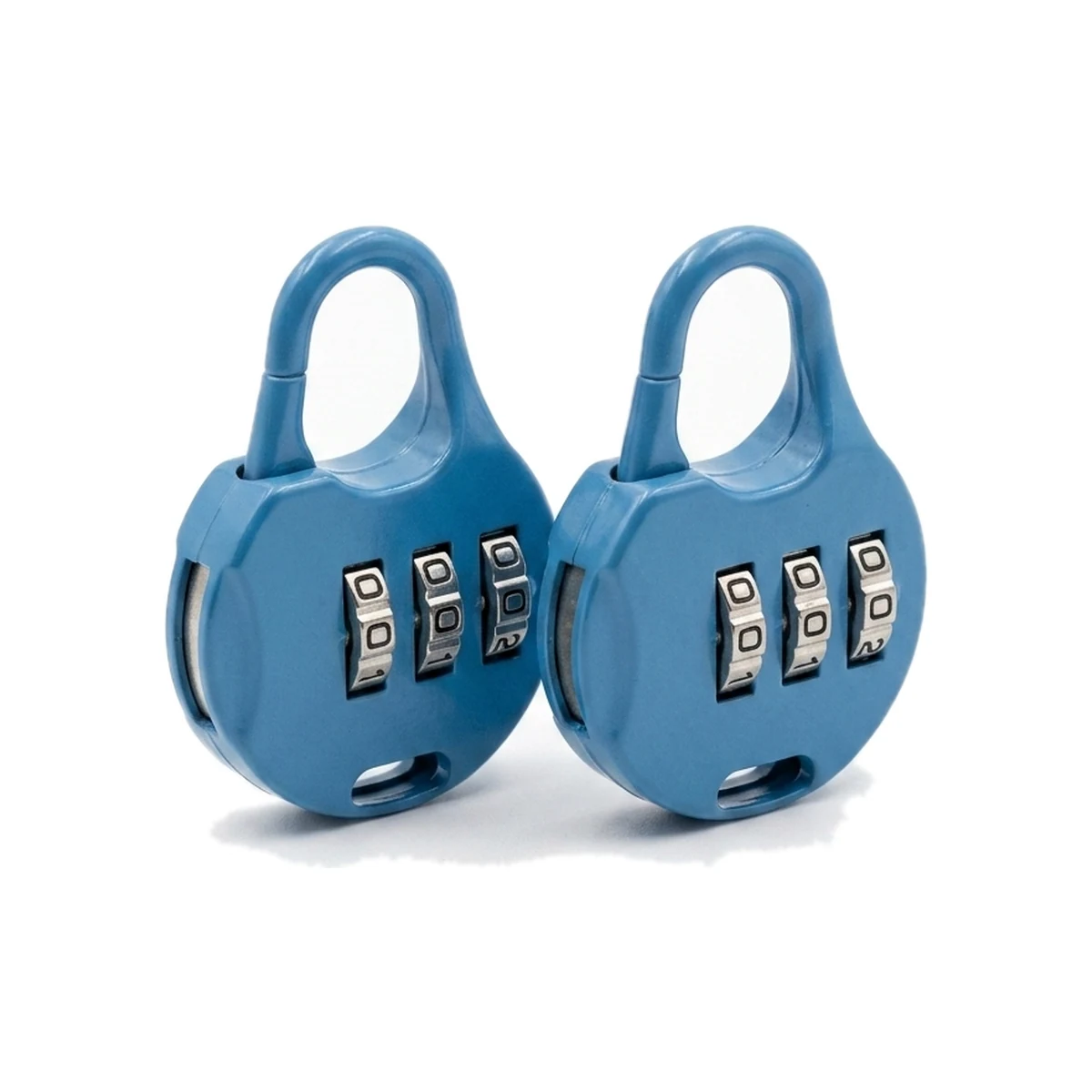
TSA-approved locks come in several formats. Traditional padlocks work well for suitcases with dedicated lock hasps. Cable locks excel at securing zip pullers together—particularly useful for underseat bags and soft-sided luggage. Combination locks eliminate the risk of losing keys during your journey, whilst keyed versions offer slightly better security against determined thieves.
What Happens If You Use a Non-TSA Lock?
Let's say you've forgotten this advice and locked your checked suitcase with a standard padlock. You're flying from Heathrow to Miami. Here's the likely sequence of events:
- Your bag enters the security screening area
- X-ray operators flag something requiring physical inspection
- Security personnel attempt to locate you at the gate (rarely successful)
- Unable to contact you, they cut or force the lock
- Your bag is inspected and a TSA notice is placed inside
- You collect your bag in Miami with a broken lock and possible damage
The TSA notice explains what happened, but provides no compensation. If items are missing, proving they were stolen versus never packed becomes your burden. Travel insurance may cover replacement costs, but you'll face excess fees and documentation requirements.
British Airways, Virgin Atlantic, and other carriers explicitly state in their terms that they're not liable for damage resulting from security inspections, including forced lock removal.
Smart Packing Strategies Beyond TSA Locks
Savvy travellers combine TSA-approved locks with intelligent packing techniques:
- Keep valuables in cabin luggage: Jewellery, electronics, medications, and important documents should never go in the hold. A quality cabin bag that meets Ryanair, easyJet, or British Airways requirements keeps essentials accessible.
- Photograph expensive items: Before packing laptops, cameras, or designer goods, photograph them alongside that day's newspaper. This creates timestamped proof of ownership if you need to file insurance claims.
- Use tamper-evident tape: Some frequent flyers apply special security tape across zips after locking them. If the tape is broken when you collect your bag, you know it's been opened.
- Pack strategically: Place dirty laundry on top of valuables. It's a psychological deterrent that makes quickly rifling through bags less appealing.
Before your next trip, you might want to verify your bag meets airline size requirements using our cabin bag checker tool, ensuring your locked luggage complies with both security and carrier regulations.
The Bottom Line for UK Travellers
TSA-approved padlocks represent a small investment—typically £10-25 for a quality lock—that protects hundreds of pounds worth of luggage and belongings. For UK travellers who fly to the United States even occasionally, they're simply worth having.
Remember these key takeaways:
- TSA locks are mandatory only for US-bound flights, but work everywhere
- The red diamond logo is your guarantee of TSA compliance
- Quality matters—cheap locks offer minimal theft protection
- Combination locks eliminate the risk of lost keys during travel
- Never place irreplaceable valuables in checked baggage, regardless of locks
Whether you're jetting off to New York for a long weekend or spending three weeks touring California, protecting your belongings starts with understanding the rules that govern airport security. A proper TSA-approved lock isn't just about compliance—it's about arriving at your destination with everything intact and ready for your adventure.
FAQ
Q: Can I use TSA locks on flights within Europe that don't go to the US?
A: Yes, absolutely. TSA-approved locks function as regular locks on any flight. European security staff won't use the TSA master key feature, but the locks still secure your luggage normally. There's no disadvantage to using them on flights to Spain, Italy, Greece, or anywhere else in Europe.
Q: Will the TSA definitely not break my TSA-approved lock?
A: In the vast majority of cases, TSA-approved locks remain intact after inspection. However, malfunctioning locks, extremely cheap models, or damaged mechanisms might still be cut off if security cannot open them with the master key. This is rare with quality locks from reputable brands.
Q: Are TSA locks required for cabin baggage or just checked bags?
A: TSA locks are designed for checked baggage only. Cabin bags remain with you throughout the flight, so locks are unnecessary and may actually slow you down during security screening when you need to open your bag for inspection at the checkpoint.
Q: Where can I buy genuine TSA-approved locks in the UK?
A: Major retailers including Amazon UK, Argos, John Lewis, and luggage specialists like Antler and Samsonite stock TSA-approved locks. Look for the official red diamond logo—counterfeits exist, so buying from reputable retailers ensures authenticity. Airport shops also stock them, though usually at premium prices.
Also worth reading: Universal Travel Adapters: Which Countries Need Which Plug Type?
Also worth reading: Power Bank Hand Luggage Rules: What UK Travellers Can Carry
Also worth reading: Norwegian Baggage Allowance: What's Included Free in 2026
Airline baggage rules and fees change frequently and can vary by route, travel date and when you book. Always check the airline's current official baggage policy before travelling.