
Memory Foam Travel Pillows: Are They Worth the Cabin Space?

The Memory Foam Travel Pillow Dilemma
We've all seen them at airports—those distinctive U-shaped pillows dangling from carry-on bags or already wrapped around weary travellers' necks before they've even reached the gate. Memory foam travel pillows have become synonymous with long-haul comfort, but for those of us flying with strict cabin baggage allowances on Ryanair, easyJet, or Wizz Air, they present a genuine dilemma: are they worth the valuable space they consume?
With airlines increasingly enforcing rigid cabin bag dimensions and weight limits, every cubic centimetre counts. Let's examine whether memory foam travel pillows genuinely earn their keep or whether they're simply taking up room better used for essentials.
What Makes Memory Foam Travel Pillows Popular?
Memory foam travel pillows dominate the market for several compelling reasons:
- Pressure relief: Memory foam moulds to your neck's unique contours, distributing weight evenly and reducing pressure points
- Temperature sensitivity: Quality memory foam responds to body heat, becoming softer where you need support most
- Durability: Unlike inflatable or microfibre alternatives, memory foam maintains its shape over countless journeys
- Perceived quality: The material feels premium and suggests long-term value for money
The science behind memory foam is sound. Originally developed by NASA in the 1960s, the material was designed to improve crash protection for aircraft cushions. Its ability to absorb impact whilst conforming to body shape makes it theoretically ideal for travel comfort.
However, theory and practice don't always align when you're trying to fit everything into a 40×30×20cm underseat bag for a Ryanair flight.
The Space Problem: How Much Room Do They Really Take?
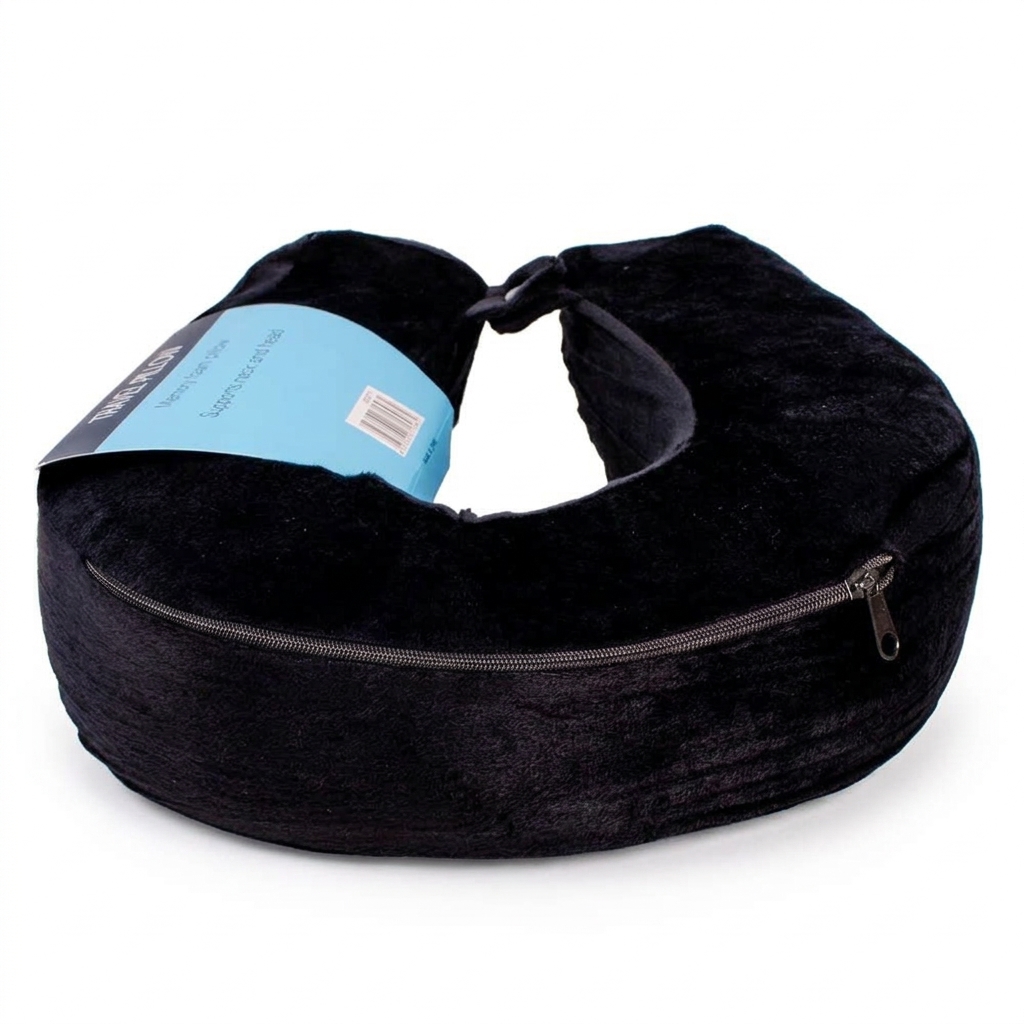
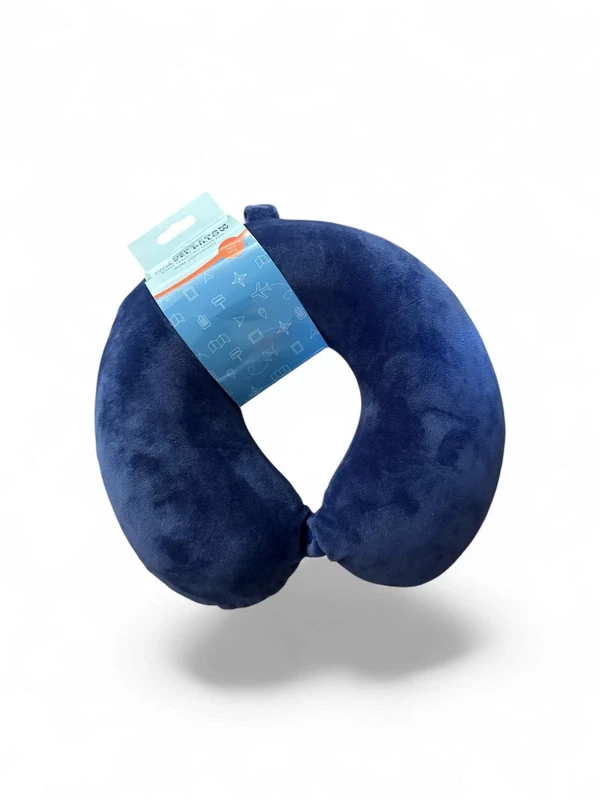
Here's where memory foam travel pillows become problematic. Most standard memory foam neck pillows measure approximately 30cm wide by 28cm deep by 12cm thick. That's a significant chunk of your cabin bag allowance.
Let's put this in perspective:
- Ryanair personal item: 40×30×20cm (20 litres total capacity)
- easyJet underseat bag: 45×36×20cm (32.4 litres)
- Average memory foam pillow volume: Roughly 3-4 litres
That single pillow can consume a significant share of your Ryanair personal item allowance or easyJet bag space. For a weekend city break, that's space that could accommodate:
- Two changes of clothes
- Toiletries and medications
- Electronic devices and chargers
- Travel documents and essentials
Unlike inflatable pillows that deflate to pocket size, memory foam pillows compress minimally. Some manufacturers claim their products are "compressible," but memory foam's defining characteristic—its ability to return to its original shape—works against packability.
When Memory Foam Pillows ARE Worth the Space
Despite the space constraints, memory foam travel pillows can justify their presence in specific circumstances:
Long-Haul Flights (8+ Hours)
On intercontinental flights where sleep is essential for beating jet lag, the comfort benefits may outweigh space concerns. If you're flying to Asia, North America, or beyond, and you're checking a bag anyway, the memory foam pillow becomes a worthwhile investment in arrival-day productivity.
Medical Conditions
Travellers with chronic neck pain, cervical spine issues, or conditions like fibromyalgia often find memory foam pillows aren't a luxury but a necessity. The superior support can prevent days of post-flight discomfort.
Premium Cabin Travel
If you've splurged on extra legroom, premium economy, or business class, you'll likely have generous overhead locker access and more relaxed baggage policies. In these scenarios, bringing your own superior pillow makes perfect sense.
Multi-Destination Trips
For longer journeys involving multiple flights, trains, or bus transfers over several weeks, the cumulative comfort benefits can justify dedicating permanent bag space to a quality pillow.
When They're Probably NOT Worth It
Conversely, memory foam pillows are harder to justify for:
- Short-haul European flights (under 3 hours)
- Weekend city breaks where you're travelling with hand luggage only
- Budget airline travel with minimal baggage allowances
- Summer holidays where clothing and beach essentials take priority
- Business trips requiring formal attire that needs space and protection from creasing
For these journeys, the opportunity cost is simply too high. That pillow space could instead hold the difference between checking a bag (with associated fees and delays) or travelling entirely with cabin baggage.
Smart Alternatives That Save Space
If you want neck support without sacrificing precious cabin space, consider these alternatives:
Inflatable Travel Pillows
Modern inflatable pillows have evolved significantly. Premium versions now feature:
- Soft, flocked surfaces (not plasticky)
- Ergonomic designs that support properly
- Pack-down sizes smaller than a smartphone
- Adjustable firmness via air valves
Whilst they don't match memory foam's luxurious feel, they offer much of the support at a fraction of the volume.
Compressible Microfibre Pillows
Some microfibre pillows compress to roughly half the size of memory foam equivalents whilst providing reasonable support. They're a middle-ground option worth exploring.
Rolled Clothing Technique
Seasoned travellers often create makeshift neck support using a jumper or cardigan rolled and positioned strategically. It's not glamorous, but it's effective and requires zero additional packing space.
Airline-Provided Options
Whilst not luxurious, most airlines provide basic pillows on flights over three hours. Paired with your own lightweight pillowcase (which packs flat), this can offer acceptable comfort without the bulk.
Making the Decision: Your Personal Travel Equation
Ultimately, whether a memory foam travel pillow is worth the space depends on your personal equation:
Worth it if: (Flight duration × Neck sensitivity × Available space) > (Alternative uses for that space × Cost of checking bag if needed)
Not worth it if: You're flying short-haul, travelling with minimal luggage, or can sleep comfortably without specialist support.
Before your next trip, use a cabin bag size checker to understand exactly how much space you're working with. Lay out everything you plan to pack, including the memory foam pillow, and honestly assess whether the comfort benefits outweigh what you're leaving behind.
The Verdict
Memory foam travel pillows deliver genuine comfort and support, but they're space-hungry accessories that demand careful consideration. For long-haul flights, medical needs, or travellers who check bags regardless, they're excellent investments. For short European hops with hand luggage only, they're often an expensive use of premium cabin space.
The sweet spot? Choose your pillow type based on your specific journey, not a one-size-fits-all approach. Keep a compact inflatable option for budget airline weekenders and save your memory foam luxury for those overnight flights to distant time zones.
Remember, smart packing isn't about bringing everything you might want—it's about bringing everything you'll actually need. Make every centimetre count, and you'll arrive at your destination with both comfort and the essentials that matter most.
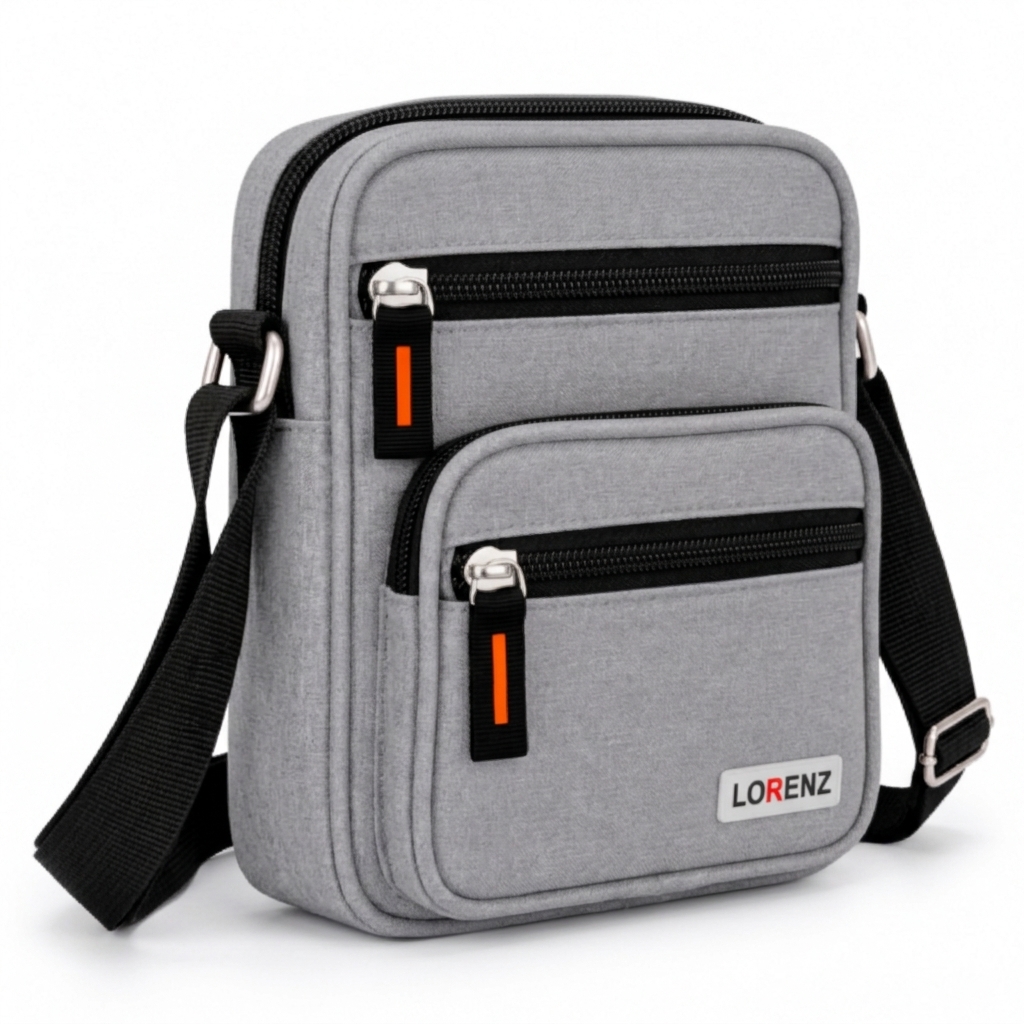
For more guidance on maximising your cabin bag space for European carriers, explore our range of perfectly-sized underseat bags designed specifically for Ryanair, easyJet, and other strict-allowance airlines.
FAQ
Q: Can you compress memory foam travel pillows to save space?
A: Memory foam pillows compress slightly under pressure but quickly return to their original shape—that's their defining characteristic. Some brands advertise "compressible" memory foam, but realistically, you'll only reduce the volume modestly, which still leaves them significantly bulkier than inflatable alternatives. Vacuum bags can compress them more, but this isn't practical for travel and may damage the foam structure over time.
Q: Do budget airlines let you carry a travel pillow in addition to your cabin bag?
A: Policies vary by airline. Ryanair and Wizz Air generally count pillows as part of your single personal item allowance unless you wear it around your neck. EasyJet typically allows small pillows as an additional item if carried separately from your cabin bag. British Airways is more lenient on short-haul European flights. Always check current policies before travel, as enforcement can be inconsistent and rules change frequently.
Q: Are inflatable travel pillows as comfortable as memory foam ones?
A: Modern premium inflatable pillows have narrowed the comfort gap considerably. Whilst they don't offer the same contouring as memory foam, high-quality inflatable models with ergonomic designs and soft-touch fabrics provide much of the support at a fraction of the packed size. For flights under six hours, most travellers won't notice a significant comfort difference, making inflatables the practical choice for space-conscious packing.
Q: How can I maximise cabin bag space if I must bring a memory foam pillow?
A: If your memory foam pillow is non-negotiable, maximise remaining space by: using packing cubes to compress clothing; wearing your bulkiest items (shoes, jacket) during travel; choosing a structured cabin bag that maintains full dimensions; filling the pillow's centre hollow with small items like socks or chargers; and considering a slightly compressible memory foam model designed specifically for travel rather than home use versions.
Airline baggage rules and fees change frequently and can vary by route, travel date and when you book. Always check the airline's current official baggage policy before travelling.
Also worth reading: Universal Travel Adapters: Which Countries Need Which Plug Type?
Also worth reading: TSA-Approved Padlocks: The Rules Nobody Tells You Before Flying
Also worth reading: Power Bank Hand Luggage Rules: What UK Travellers Can Carry
Also worth reading: Norwegian Baggage Allowance: What's Included Free in 2026